Irrigation Winterization in Reno, NV
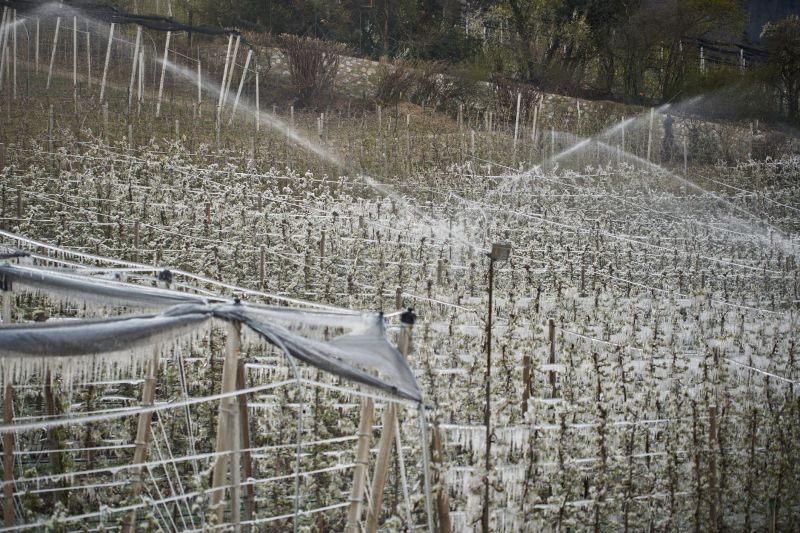
Irrigation winterization services involve preparing an irrigation system for the colder months to prevent damage caused by freezing temperatures. This process typically includes draining or blowing out the sprinkler lines, shutting off the water supply, and protecting components such as backflow preventers and timers. Projects covered by this service often include residential sprinkler systems, drip irrigation setups, and other outdoor watering systems. Property owners should understand that proper winterization helps avoid costly repairs in the spring and ensures the irrigation system remains functional for the next growing season.
Before requesting irrigation winterization, homeowners usually want to know the specific steps involved and any preparations needed on their part. It’s important to clarify whether the system will be fully drained or blown out, and to confirm if any parts require additional protection. Property owners may also inquire about the recommended timing for winterization based on local weather patterns and the type of irrigation system installed. Having this information helps ensure the system is adequately protected against winter weather and functions properly when the watering season resumes.
Many property owners in Reno, NV look into Irrigation Winterization for repairs, replacements, upgrades, and appearance-related improvements.
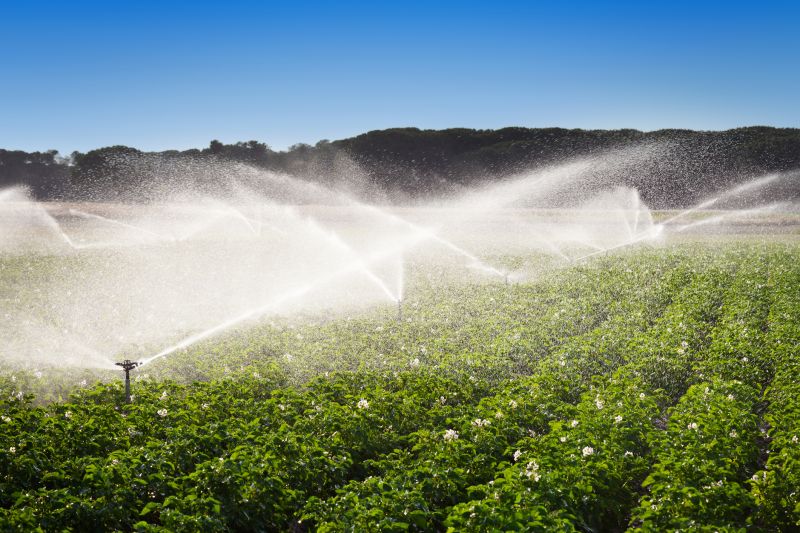
Preparing Your Irrigation System For Winter
Proper winterization helps prevent pipe damage and leaks during the cold months.
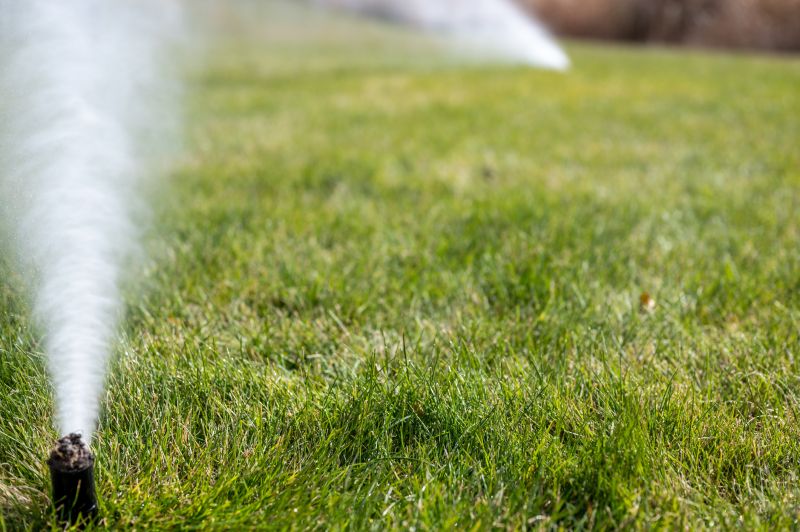
Importance Of Irrigation Winterization
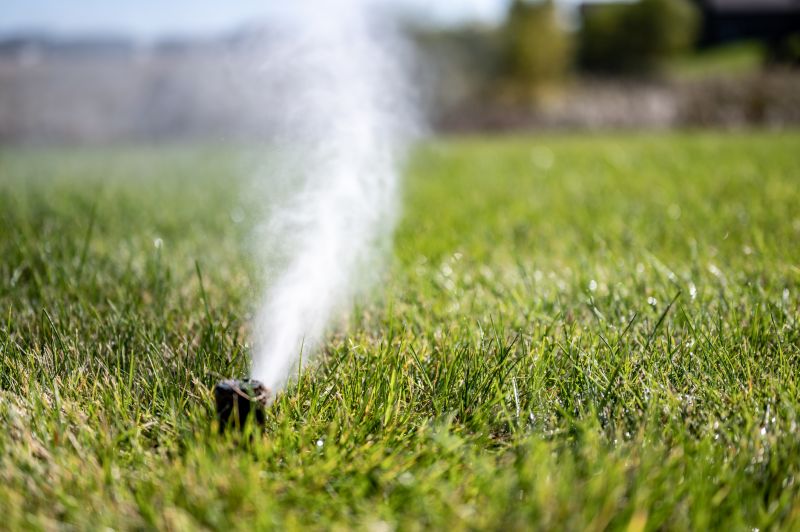
Shutting down sprinkler systems correctly protects components from freezing and cracking.
Signs Your System Needs Winterization
Property owners in reno should consider winterization if their system hasn't been shut down for the season.
Irrigation Winterization in Reno, NV
Irrigation winterization services involve preparing an irrigation system for the colder months to prevent damage caused by freezing temperatures. This process typically includes draining or blowing out the sprinkler lines, shutting off the water supply, and protecting components such as backflow preventers and timers. Projects covered by this service often include residential sprinkler systems, drip irrigation setups, and other outdoor watering systems. Property owners should understand that proper winterization helps avoid costly repairs in the spring and ensures the irrigation system remains functional for the next growing season.
Before requesting irrigation winterization, homeowners usually want to know the specific steps involved and any preparations needed on their part. It’s important to clarify whether the system will be fully drained or blown out, and to confirm if any parts require additional protection. Property owners may also inquire about the recommended timing for winterization based on local weather patterns and the type of irrigation system installed. Having this information helps ensure the system is adequately protected against winter weather and functions properly when the watering season resumes.
Many property owners in Reno, NV look into Irrigation Winterization for repairs, replacements, upgrades, and appearance-related improvements.
Common Irrigation Winterization Jobs
Irrigation Winterization involves draining and protecting sprinkler systems to prevent freeze damage during colder months.
System draining ensures water is removed from pipes and valves to avoid cracks and leaks.
Blowing out irrigation lines uses compressed air to clear out water and debris from the system.
Valve protection involves insulating or shutting off valves to prevent freezing and damage.
Component inspection checks for damaged or worn parts that may need repair or replacement before winter.
System activation prepares the irrigation system for proper restart in the spring.
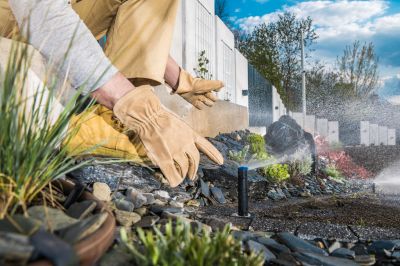
Irrigation Winterization Questions
Why is winterization important for my irrigation system? Winterization helps prevent damage caused by freezing temperatures, protecting pipes and sprinkler components from cracks and leaks.
When should irrigation winterization be performed? It is recommended to winterize irrigation systems before the first hard freeze, typically in late fall.
What are common methods used in irrigation winterization? The most common method involves draining or blowing out the system with compressed air to remove remaining water.
Can winterization be done for all types of irrigation systems? Yes, winterization services are suitable for various systems, including sprinkler and drip irrigation setups.
Request Irrigation Winterization in Reno, NV
Use the quote form on this page to share the basics of your project and request more information for the type of work you need.