Get Drip Irrigation Installation
Local contractors offer drip irrigation installation services to efficiently water gardens, landscapes, and agricultural projects, solving overwatering and uneven coverage issues.
Drip irrigation installation offers a practical solution for property owners looking to optimize their watering systems. This method delivers water directly to plant roots with minimal waste, making it an efficient choice for maintaining healthy landscapes and gardens. Whether managing a residential yard, commercial property, or agricultural space, exploring local contractors who specialize in drip irrigation can help ensure the system is designed and installed to meet specific needs.
For those planning landscape projects or seeking to improve existing irrigation setups, comparing local service providers can provide valuable insights into available options. Experienced contractors can assess property layouts, recommend suitable equipment, and handle the installation process professionally. Continuing to explore local pros can help property owners make informed decisions and find the right solutions for their irrigation needs.
- Residential Garden Irrigation - homeowners seeking efficient watering solutions for lawns and flower beds.
- Agricultural Irrigation Systems - farmers needing reliable drip setups to optimize crop hydration.
- Commercial Landscape Irrigation - businesses looking to maintain professional-grade irrigation for large-scale grounds.
- Horticultural Installations - nurseries and plant growers requiring precise watering systems for diverse plant varieties.
- Existing System Upgrades - property owners wanting to improve or expand their current drip irrigation setups.
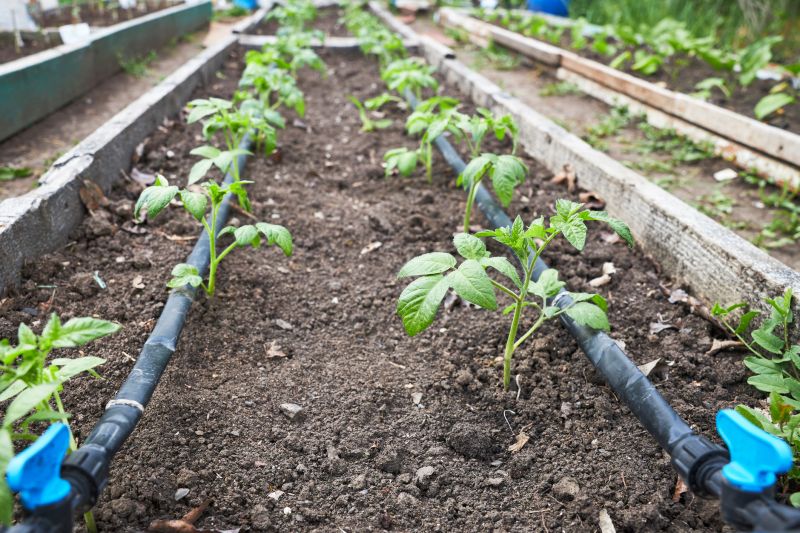
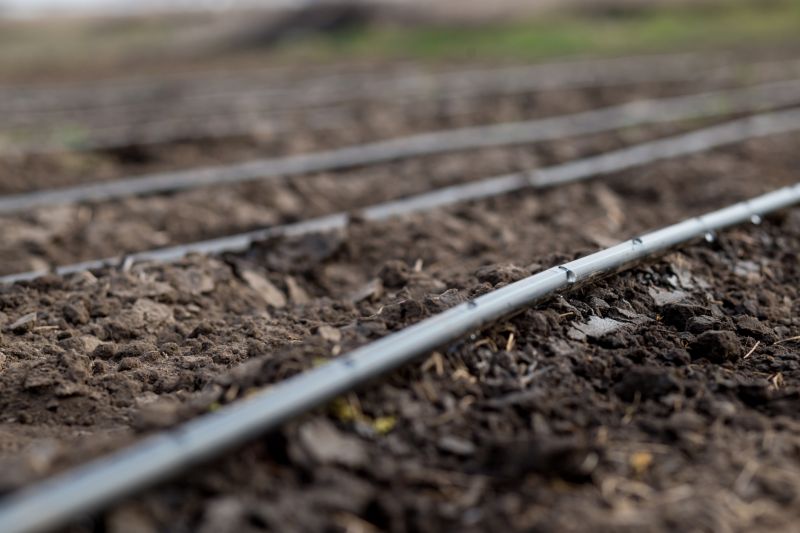
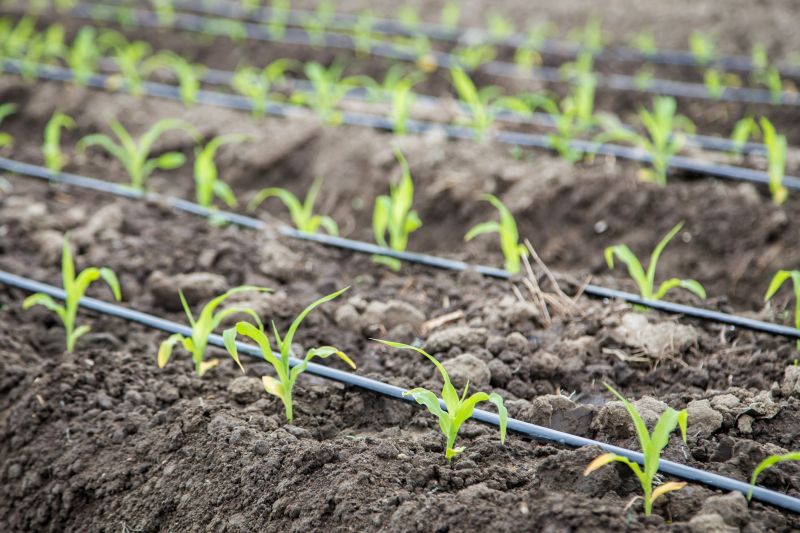
Drip irrigation installation involves setting up a system that delivers water directly to the roots of plants through a network of hoses, tubes, and emitters. This method provides a precise and efficient way to water lawns, flower beds, vegetable gardens, and landscape plants. Professional installers assess the property’s layout, select appropriate components, and design a system that ensures even coverage while minimizing water waste. Proper installation helps ensure that plants receive consistent moisture, promoting healthy growth and reducing the need for manual watering.
This service addresses common gardening and landscaping challenges such as overwatering, underwatering, and water runoff. Traditional sprinklers can often water non-target areas or miss certain spots, leading to uneven watering and increased water bills. Drip irrigation systems help solve these issues by delivering water slowly and directly where it’s needed most. They also reduce the risk of fungal diseases caused by excess moisture on foliage and can be automated for convenience, making it easier to maintain a well-watered landscape with less effort.
Typically, properties that benefit from drip irrigation include residential homes with gardens, flower beds, or vegetable patches, as well as properties with extensive landscaping or hard-to-reach plantings. It is especially useful for properties where water conservation is a priority or where traditional sprinkler systems are impractical. Both small yards and larger estates can be suitable candidates for this type of irrigation, as it provides a tailored watering solution that can be scaled to fit different property sizes and plant types.
When considering drip irrigation installation, homeowners should look for local service providers experienced in landscape irrigation systems. These professionals can evaluate the specific needs of a property, recommend appropriate components, and ensure the system is installed correctly for optimal performance. Proper installation by experienced contractors helps maximize water efficiency, supports healthy plant growth, and provides a reliable solution for maintaining a lush, thriving landscape.
The overview below groups typical Drip Irrigation Installation projects into broad ranges so you can see how smaller, mid-sized, and larger jobs often compare in your area.
In many markets, a large share of routine jobs stays in the lower and middle ranges, while only a smaller percentage of projects moves into the highest bands when the work is more complex or site conditions are harder than average.
Smaller Repairs - Basic drip irrigation repairs or adjustments typically cost between $150 and $400. Many routine jobs fall within this range, depending on the extent of the work needed.
Partial Installation - Installing new drip lines or replacing sections usually ranges from $600 to $1,500. Most projects in this category are moderate in size and complexity.
Full System Replacement - Replacing an entire existing drip irrigation system can cost between $2,000 and $5,000+. Larger, more complex projects tend to reach the higher end of this range.
New Installation - Installing a new drip irrigation system from scratch generally ranges from $1,500 to $4,000. Many standard installations fall into the middle of this spectrum, with fewer projects reaching the upper tiers.
Actual totals will depend on details like access to the work area, the scope of the project, and the materials selected, so use these as general starting points rather than exact figures.
Garden Irrigation System Installation - local contractors who install efficient watering systems for lawns and flower beds often have skills similar to drip irrigation setup and planning.
Underground Sprinkler System Installation - professionals experienced in installing underground watering systems share techniques with drip irrigation installation, including trenching and zone control.
Landscape Drainage Solutions - experts designing drainage systems for landscapes utilize planning and excavation skills comparable to those used in drip irrigation projects.
Rainwater Harvesting System Setup - service providers installing rainwater collection systems often employ similar planning, piping, and water management skills as drip irrigation installation.
Soil Preparation and Garden Bed Construction - specialists preparing soil and constructing garden beds have experience with site assessment and planning relevant to irrigation projects.
Water Feature and Pond Installation - contractors working on water features use plumbing, excavation, and planning skills that align with those needed for drip irrigation systems.
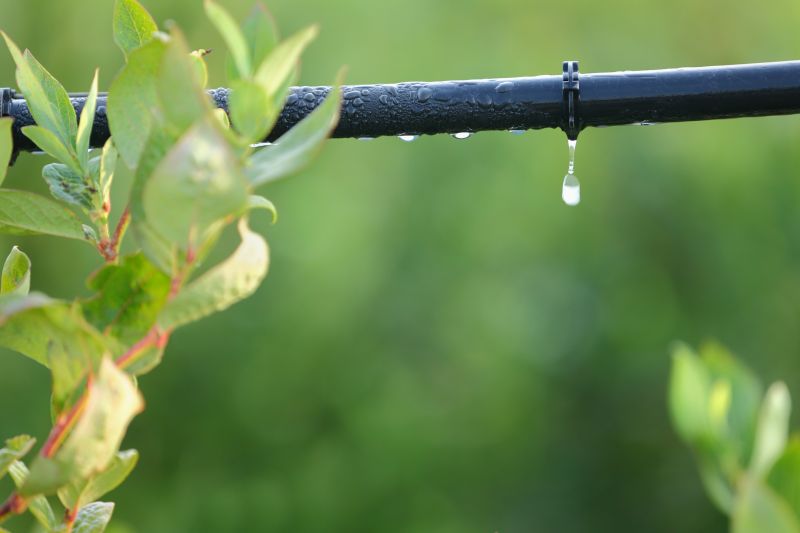
When comparing service providers for drip irrigation installation, it’s important to consider their experience with similar projects. Homeowners should inquire about how long a contractor has been working on irrigation systems and whether they have handled projects comparable in size and complexity. A contractor with a proven track record in drip irrigation installation is more likely to understand the nuances of proper system design, installation techniques, and troubleshooting, ensuring the job is done efficiently and effectively.
Clear written expectations are essential when evaluating local contractors. Homeowners should seek detailed proposals that outline the scope of work, materials to be used, and any specific responsibilities of the service provider. Having a well-defined plan helps prevent misunderstandings and ensures that both parties are aligned on project goals. Clear communication also makes it easier to address questions or concerns before work begins, contributing to a smoother process overall.
Reputable references and strong communication skills are key indicators of a reliable contractor. Homeowners can ask for references from previous clients to gain insight into the contractor’s work quality, professionalism, and ability to meet deadlines. Additionally, a contractor who communicates clearly and promptly can foster a positive working relationship, making it easier to discuss project details, changes, or concerns as they arise. These qualities help ensure that the homeowner’s expectations are understood and met throughout the installation process.
Property owners use Drip Irrigation Installation services for practical projects around their homes and businesses. This guide focuses on everyday jobs and straightforward project options.
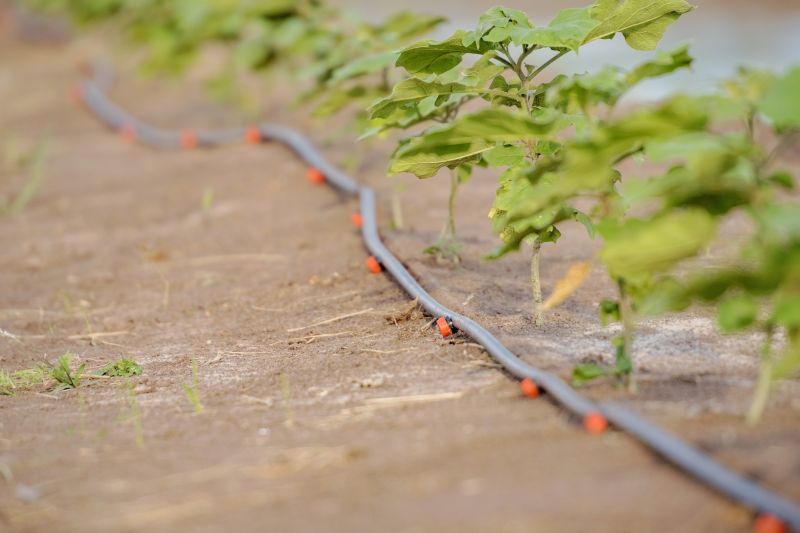
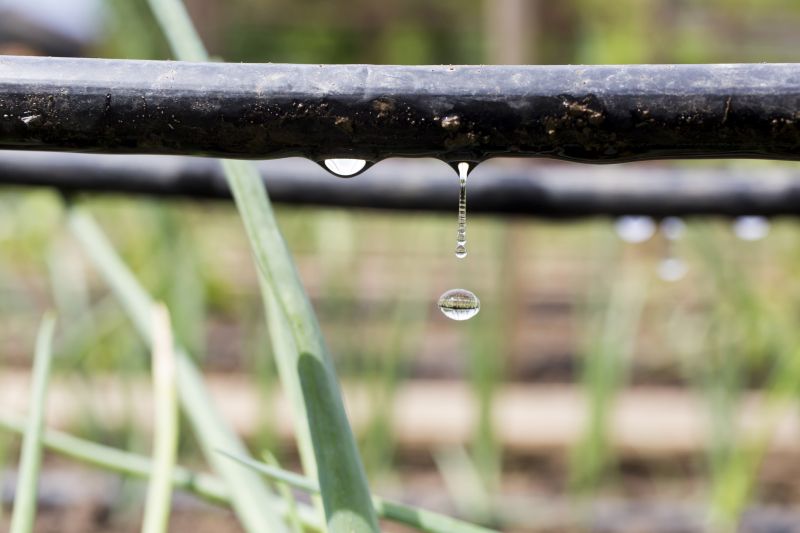
Drip irrigation installation is a common solution for property owners looking to efficiently water their gardens, lawns, and landscaping features. Many local contractors are called upon to set up these systems to help reduce water waste and ensure plants receive consistent moisture. Homeowners often seek professional installation when they want a reliable, low-maintenance watering method that can be tailored to the specific needs of their yard or garden.
In addition to conserving water, property owners may opt for drip irrigation to improve plant health and reduce the time spent on manual watering. Local service providers can assist with designing and installing systems that fit the layout of the property, whether it’s for a small backyard or a larger landscape. These professionals can help ensure the system is properly set up for optimal performance, making it easier for property owners to maintain lush, healthy outdoor spaces.
What are the benefits of installing a drip irrigation system? Drip irrigation provides efficient watering by delivering water directly to plant roots, reducing waste and promoting healthy growth.
Can drip irrigation be installed in different types of landscapes? Yes, local contractors can customize drip systems to suit various landscape types, including gardens, flower beds, and vegetable patches.
What equipment is typically used in drip irrigation installation? Installation generally involves tubing, emitters, connectors, and filters, which local service providers can supply and set up properly.
Is professional installation necessary for a drip irrigation system? While DIY options exist, hiring experienced local contractors ensures the system is installed correctly and functions effectively.
How does a professional install a drip irrigation system? Local pros assess the landscape, plan the layout, and install tubing and emitters to optimize water distribution for your specific garden or yard.
Efficient Garden Watering - Install drip irrigation to provide consistent moisture to flower beds and vegetable gardens, reducing water waste and manual effort.
Tree and Shrub Care - Use drip systems to deliver targeted watering to trees and shrubs, promoting healthy growth with minimal runoff.
Large Lawn Coverage - Implement drip irrigation in expansive lawns to ensure even water distribution without oversaturation or puddling.
Custom Irrigation Design - Work with local contractors to create tailored drip irrigation plans that suit specific landscape layouts and plant needs.
If you are thinking about Drip Irrigation Installation for a property, this guide is meant to help you understand the work, the typical project types, and how different options might fit your plans.
When you are ready, you can use the quote form on this page to share a few details about your project. From there, local pros can review the basics and respond with options that match what you have in mind.